MA.CO.2L srl Unipersonale
P.IVA 04100600230
Contacts
- Via Torino 31
37053 Cerea (VR) - info@macoduelle.com
- +39 0442 30295
Sicurezza in Falegnameria:
Affrontare Gli Incidenti con Dati e Consapevolezza
Woodworking is an ancient art that requires skill, dedication, and above all, attention to safety. However, not everyone follows the right practices, and workplace accidents are more common than you might imagine. Let's explore the statistics of these incidents, highlighting the vital importance of adopting rigorous safety measures and using compliant machinery.
The Harsh Reality of Statistics:
According to recent data on workplace safety statistics, accidents in woodworking shops are on the rise. It is estimated that over 20% of workplace accidents in the wood industry are due to safety lapses and non-compliance of machinery with regulations..
The Main Causes of Accidents:
- Inadequate Machine MaintenanceThe 40% of accidents are caused by poorly maintained or irregularly inspected machinery.
- Absence of Safety DevicesThe lack of safety devices, such as guards and emergency stop systems, contributes to 25% of accidents.
- Lack of Proper TrainingHuman error plays a significant role, with 35% of incidents caused by lack of training on proper safety protocols.
Most Common Accidents:
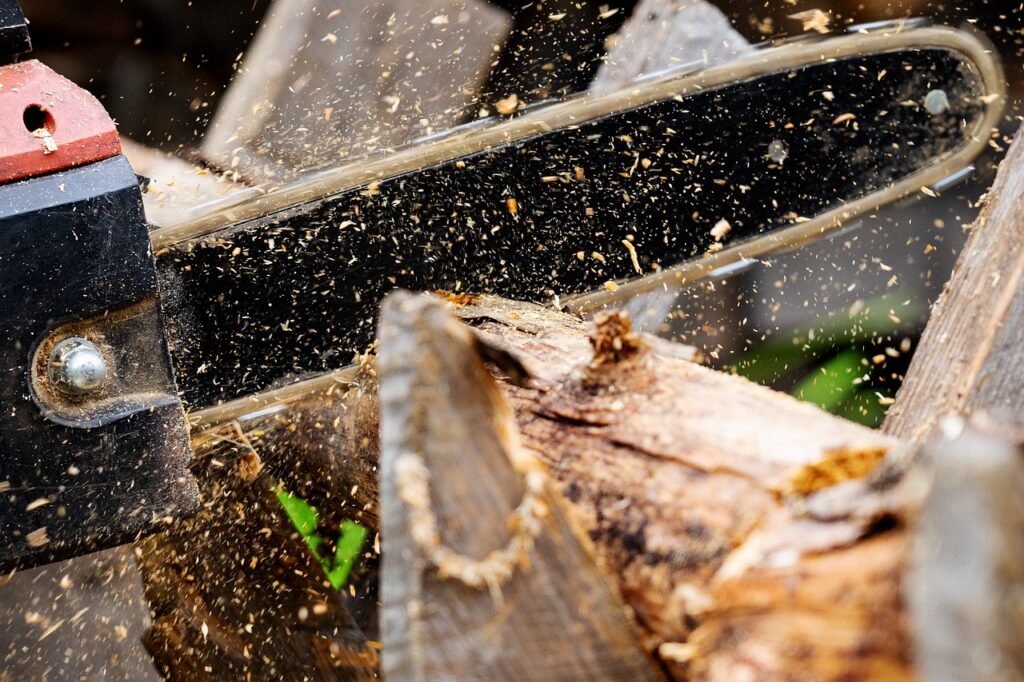
- Cuts and Lacerations: The use of saws, routers, and other blade tools makes cutting injuries one of the leading causes of accidents.
- Splinters and Projections: Woodworking can generate splinters and flying pieces, causing potentially serious injuries.
- Poorly Maintained Machines: Insufficient machine maintenance can lead to sudden breakdowns, causing injuries.
- Human Error: Lack of training or failure to observe safety regulations can lead to avoidable accidents.
Numbers That Should Make You Think:
- Infortuni Gravi: Every year, there are over 10,000 cases of serious injuries reported in woodworking shops.
- Lost WorkdaysWorkplace accidents result in the loss of thousands of workdays, with a significant impact on productivity.
- High Economic CostsAccidents incur high costs in terms of medical care, compensation, and penalties for non-compliance with regulations.
Solutions to Improve Safety:
- Regular InspectionsEnsure that your machines undergo regular inspections and preventive maintenance to prevent sudden breakdowns.
- Formazione Continua: Investi nella formazione continua del personale per garantire che tutti conoscano e rispettino i protocolli di sicurezza.
- Utilizzo di Dispositivi di Sicurezza: Installa e mantieni dispositivi di sicurezza approvati su tutte le macchine per ridurre il rischio di infortuni.
- Promozione di una Cultura della Sicurezza: Fai della sicurezza una priorità culturale all’interno della tua falegnameria, coinvolgendo tutti i membri del team nel processo di sicurezza.
The Importance of Compliant Machinery
The use of machinery compliant with safety regulations is crucial for reducing the risk of accidents. Modern technologies integrate advanced safety devices such as emergency stops and anti-injury protections.
Addressing the Issues:
- Continuous Training: Ensure that all workers are adequately trained on how to properly use machinery and adhere to safety regulations.
- Regular Inspections: Conduct regular inspections of equipment to ensure they are in perfect working condition.
- Personal Protective Equipment (PPE): Encourage the constant use of PPE such as gloves, safety goggles, and ear protection.
- Safety Culture: Foster a safety-centric corporate culture, where everyone feels responsible for their own safety and that of their colleagues.
Conclusion:
Addressing the issue of accidents in woodworking requires a combination of awareness, training, and investment in safe machinery. Statistics should not be just numbers on a page but a constant reminder of the need to prevent accidents. Only with collective commitment to safety, both from workers and employers, can we hope to drastically reduce the number of injuries in woodworking shops. Safety should be the first tool in our toolkit.